Home > Blog > Maintenance
Maintenance • August 24, 2026
Annual Deck Safety Checklist for Sevierville Owners
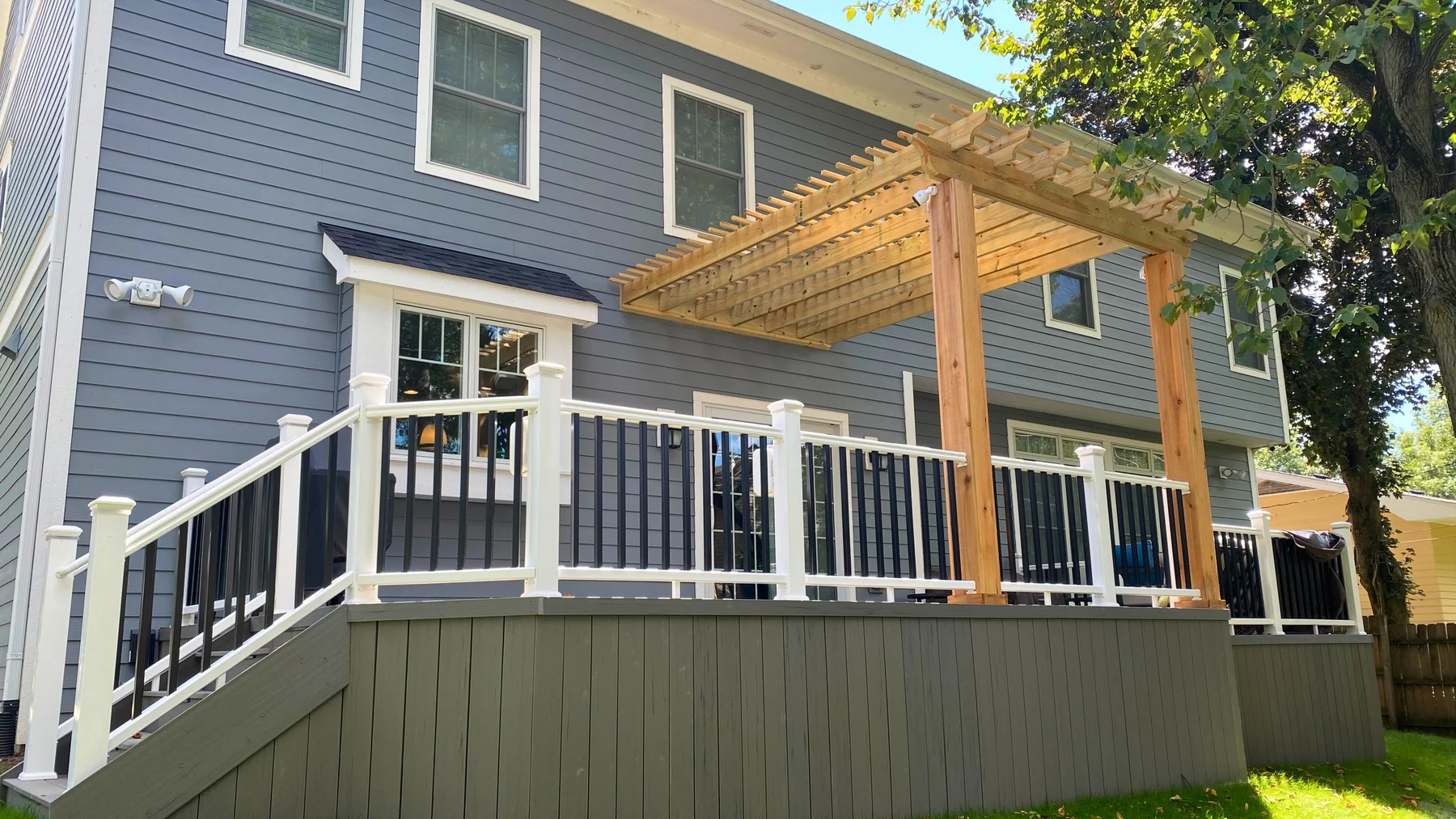
A deck is the heart of outdoor living in the Smokies, the place where families gather, where cabin guests take in the mountain views, and where the hot tub sits. But a deck is also a structure exposed to the weather every day, and around Sevierville those structures are often elevated well off sloped, wooded lots. That combination, height plus constant exposure plus, for many owners, a steady stream of rental guests, makes an annual safety check not just smart but essential. Here is exactly what to look at.
The single most important thing on your deck is the ledger board, the beam that attaches the deck to the house or cabin. The vast majority of serious deck failures happen when this connection pulls away, and on a tall Smoky Mountain deck that is a genuinely dangerous event. Check that it is fastened with proper lag bolts or structural screws, not just nails, look for rust and rot, and confirm there is flashing keeping water from getting behind it. Any movement or gap here means stop using the deck until it is fixed.
On the sloped lots common around Sevierville and Wears Valley, decks often stand on tall posts, and those posts and their footings carry everything. Check that posts are plumb, solidly connected top and bottom, and free of rot at the base where they meet the ground or footing. Our freeze-thaw cycles can heave footings over the years, so look for any that have shifted or cracked. A leaning post or a heaved footing on an elevated deck is a serious red flag.
Railings are what keep people from falling, and on the raised decks overlooking mountain views they are doing a real job. Grab and push on every railing section; it should not flex or wobble. Confirm the balusters are secure and spaced so a small child cannot slip through. On a rental cabin deck packed with guests leaning against the rail to admire the Smokies, a loose railing is one of the most common and most dangerous failures we find.
Walk every board looking for soft spots, splintering, cupping, and rot, paying special attention to areas that stay shaded and damp in our humid climate. Bounce lightly to feel for any board that gives more than it should. Popped nails or backed-out screws are trip hazards and a sign the fasteners are failing. On older wood decks especially, a soft or spongy board is a warning that moisture has gotten into the structure below.
The most important inspection happens underneath, where you can see the joists, beams, and hardware. Check the joist hangers and connectors for rust and for nails that have worked loose, look for rot where boards meet and water lingers, and confirm the beams show no cracking or sagging. In the Smokies, the underside of a deck stays damp and shaded, so this hidden framing is often where trouble starts long before it shows on top.
Deck stairs take heavy use and cause a lot of injuries. Confirm the stringers are solid and not rotting, the treads are secure and even, and the handrail is firmly anchored the full length of the run. On mountain lots, deck stairs can be long and steep, which makes a loose tread or a wobbly handrail all the more hazardous. Everything about the stairs should feel rock solid underfoot.
Many Sevierville decks, especially on rental cabins, carry a hot tub, and a full hot tub is enormously heavy. Verify that the framing under the tub was built for that load and shows no sagging or stress, and check for water damage around the tub where splashing and humidity attack the wood constantly. A hot tub added to a deck that was never engineered for the weight is a real danger, and it is worth a professional look if you are unsure.
Time your inspection for spring, because a Smoky Mountain winter is hard on a deck. Freeze-thaw cycles loosen fasteners, heave footings, and open cracks that let water in. Snow load and ice add stress that can leave damage you will not notice until you look for it. Checking the deck as the weather warms, before the busy season of family cookouts and cabin bookings, is the ideal rhythm for our climate.
If you own a rental cabin, deck safety carries added weight, both moral and legal. Your deck may hold a dozen guests at once, people unfamiliar with the structure, often gathered at the railing for the view. A failure on a rental deck can injure guests and expose you to serious liability. For rental owners, a documented annual, or more frequent, professional inspection is not just prudent; it is part of running the property responsibly.
An owner walkaround catches a lot, but structural concerns, the ledger, posts, footings, beams, and hot tub framing, deserve a trained eye. If you find movement, rot, or anything that makes you uneasy, or if you simply want certainty before the season, a professional deck inspection is inexpensive insurance. We check the connections and framing that matter most and tell you honestly what needs attention, so your Sevierville deck carries your family or your guests safely.
Write down what you check and when. A dated record of each annual inspection, noting anything you repaired, does two things: it makes sure nothing gets skipped year to year, and for rental owners it documents that you took deck safety seriously, which matters if a guest ever raises a concern. Keep the log with your other Sevierville property records and update it every spring. Over time it also reveals patterns, like a corner that keeps staying damp, so you can address the root cause rather than the symptom.
Rot in the Smokies almost always starts where wood stays wet, and the classic trouble spots are anywhere the structure touches or sits near the ground. Skirting, stair stringers meeting the earth, and posts at their bases collect moisture and organic debris off our wooded lots. Keep leaves and dirt cleared away from these contact points, make sure water drains away rather than pooling, and probe suspect spots with a screwdriver. If the tip sinks into soft wood, rot has set in and that member needs attention before it spreads.
Modern decks rely on metal joist hangers, post bases, and structural screws, and those connectors are only as good as their condition. In our humid, wet climate, inferior or aging hardware rusts, and rusted connectors lose strength. During your check, look specifically at the metal: surface rust is a warning, and heavy corrosion or missing fasteners is a repair. Upgrading old nailed connections to proper structural hardware is one of the most valuable safety improvements you can make on an older Sevierville deck.
The easiest way to keep a deck safe is to fold the check into things you already do. Tie the full inspection to spring cleanup, do a quick visual pass before big gatherings or a busy rental stretch, and note anything to watch as you close the season. A deck rarely fails without warning; the signs are almost always there for an owner who looks. Fifteen minutes a couple of times a year is all it takes to catch problems while they are still small and cheap to fix.
At least once a year, ideally in spring after the freeze-thaw of a Smoky Mountain winter has worked on the structure. For rental cabins that carry crowds of guests, a more frequent check is wise. Elevated decks on our mountain lots take more stress than ground-level decks, so annual inspection is the minimum for peace of mind.
A failing ledger board, the connection where the deck attaches to the house or cabin. Most catastrophic deck collapses trace to that connection pulling away, and on the tall, elevated decks common around the Smokies a collapse can be serious. Loose railings run a close second, especially on decks that hold groups of rental guests.
How Your Deck Can Boost Bookings for a Smoky Mountain Rental Cabin — Custom decks and outdoor living spaces designed and built across Sevierville and the Smokies.